
Inspired by the World Cup? Protect Your Feet Before You Hit the Soccer Field
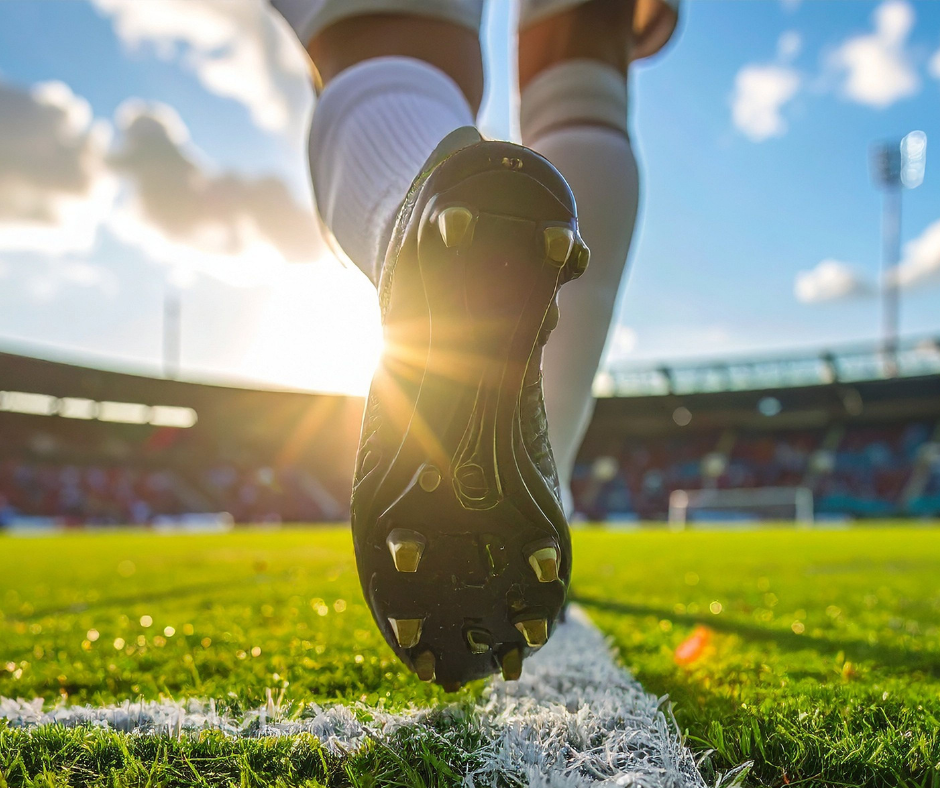
The World Cup has a way of making soccer look effortless. After watching quick footwork, powerful kicks, and exciting goals, it is easy to feel inspired to grab a ball and head outside. But whether you are joining a weekend game, playing with your kids, or returning to soccer after time away, your feet and ankles need the right protection before you get back on the field.
At Clifton Foot & Ankle Center, we help active patients prevent, diagnose, and treat sports-related foot and ankle injuries so they can stay in the game safely.
Why Soccer Can Be Hard on Your Feet
Soccer places unique stress on the lower body. Players sprint, stop suddenly, pivot, kick, and change direction repeatedly. These movements can put pressure on the toes, arches, heels, ankles, and Achilles tendons.
Common soccer foot and ankle injuries include:
- Ankle sprains
- Heel pain
- Achilles tendonitis
- Turf toe
- Blisters
- Stress fractures
- Toenail injuries
- Arch pain
Do Not Go from Couch to Cleats Too Fast
One of the biggest mistakes new or returning players make is doing too much too soon. Muscles, tendons, and joints need time to adjust to the demands of running and cutting on grass or turf. Start with light activity, stretch your calves and feet, and build intensity gradually.
Pain that starts during play and lingers afterward should not be ignored. Continuing to play through foot or ankle pain can turn a minor injury into a more serious problem.
Choose the Right Soccer Shoes
Soccer cleats should fit snugly without pinching the toes. Shoes that are too tight can cause blisters, bruised toenails, and nerve irritation. Shoes that are too loose can increase instability and the risk of ankle injuries.
Also, choose footwear based on the playing surface. Grass, turf, and indoor courts may require different types of shoes for better traction and support.
When to See a Podiatrist
If you have swelling, bruising, sharp pain, difficulty walking, or pain that does not improve with rest, it is time to see a podiatrist. Early treatment can help prevent long-term problems and get you back on the field safely.
For more footcare facts and advice, consult Dr. Kenneth R. Wilhelm at Clifton Foot & Ankle Center in Fairfax County, Virginia, about any podiatric concerns you’re facing. Set up an appointment today to find relief.


