5 Top Tips to Avoid Stress Fractures
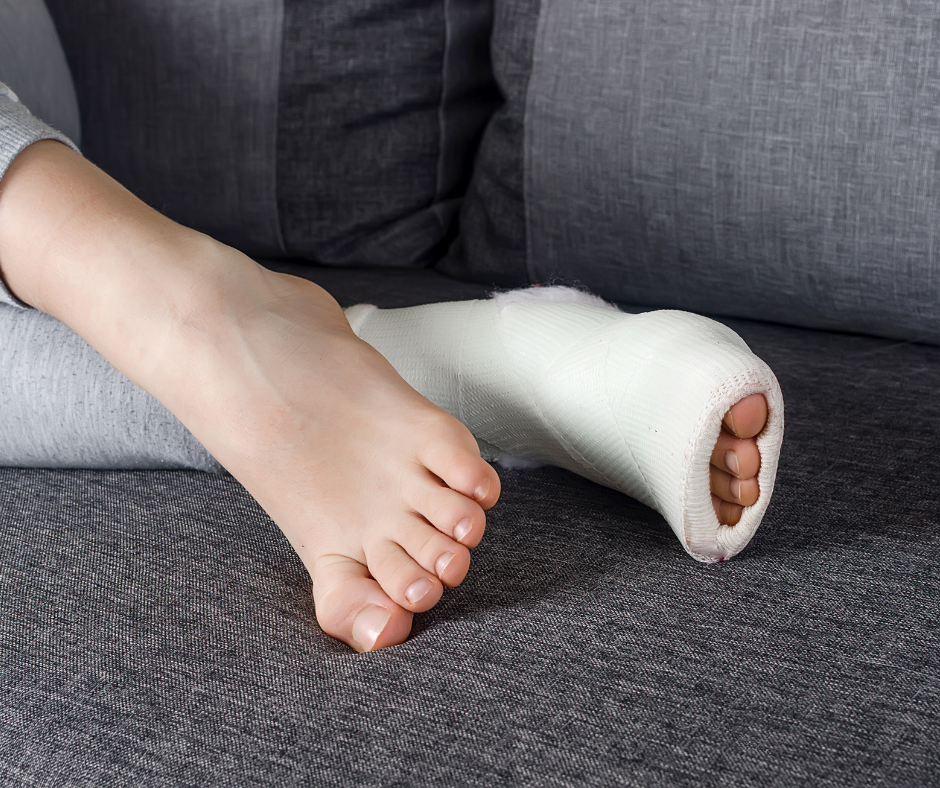
We at Clifton Foot & Ankle Center know the stress of stress fractures, especially for young athletes who want to stay active. These tiny hairline cracks in the bone are the ultimate buzzkill, and they account for about 38% of all stress fractures in the body, according to the NIH.
However, by making a few smart adjustments to your routine, you can keep your bones resilient and injury-free. Here are our top five ways to keep your feet stress fracture-free.
1. Follow the Ten Percent Rule
The most common way people end up with a stress fracture is by doing too much, too soon. If you are starting a new running program or increasing your walking distance, your heart and lungs might feel ready for a marathon, but your bones need time to remodel and get stronger.
To stay safe, never increase your intensity, duration, or distance by more than ten percent per week. This gradual progression allows your skeletal system to adapt to the new workload without reaching a breaking point.
2. Evaluate Your Footwear Frequently
Your shoes are your primary defense against the hard ground. Over time, the cushioning inside your running sneakers compresses and loses its ability to absorb shock. Once that happens, all that impact energy travels directly into your metatarsal bones.
3. Mix Up Your Surfaces
If you do all your training on concrete sidewalks or asphalt roads, you are subjecting your feet to the harshest possible impact. Concrete has zero give, so your bones take the full hit with every stride.
We recommend incorporating softer surfaces into your routine. Whenever possible, run on grass, synthetic tracks, or groomed trails. Even a treadmill offers more shock absorption than the street.
4. Prioritize Bone-Building Nutrients
Like with bodybuilding, strong bones are built in the kitchen. If you are training hard, your body needs an ample supply of calcium and Vitamin D to repair the microscopic damage that occurs during exercise.
We recommend including plenty of leafy greens, dairy or fortified alternatives, and lean proteins in your diet. If you live in a climate with limited sun, you might even want to talk to your doctor about a Vitamin D supplement to ensure your bone density stays high.
5. Listen to the Warning Signs
A stress fracture rarely happens out of nowhere. It usually starts with a dull ache that feels better when you rest, but returns as soon as you start moving.
That’s why you should stick to low-impact activities like swimming or cycling for a few days to let the area settle down. Taking a one-week break now is always better than being stuck in a walking boot for six weeks later!
For more foot care facts and advice, consult Dr. Kenneth R. Wilhelm at Clifton Foot & Ankle Center in Fairfax County, Virginia, about any podiatric concerns you’re facing. Set up an appointment today to find relief!