
The Truth About Foot and Ankle Tattoos
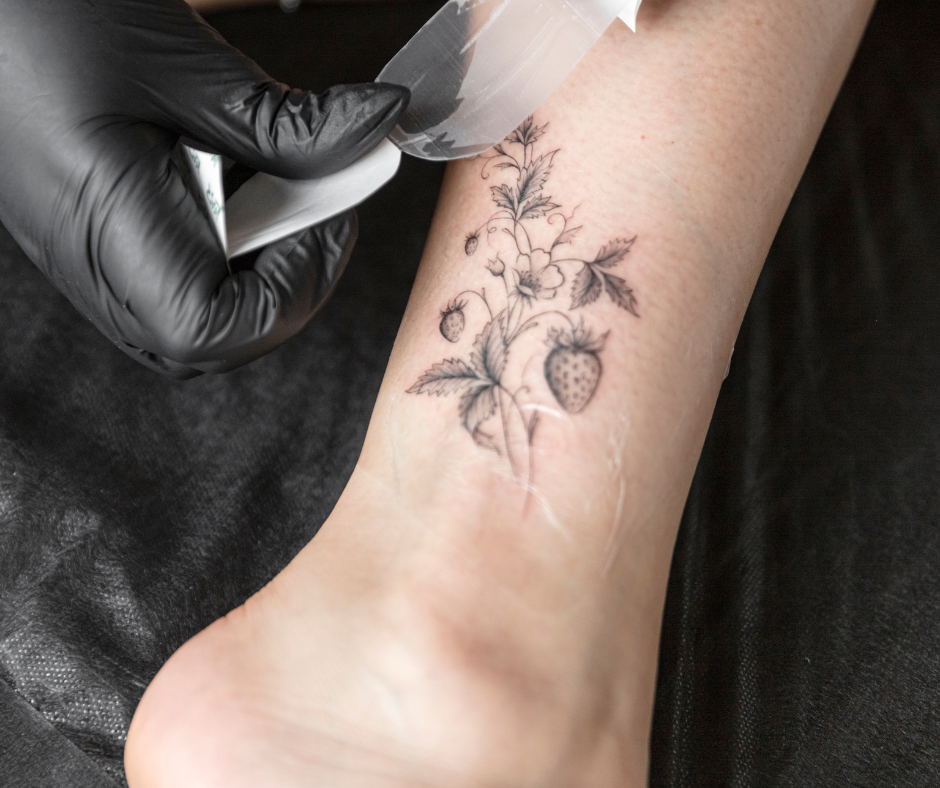
New Year, new ink! So, you’ve finally decided on that killer design for your ankle or the top of your foot. It looks great in the sketches, and it’s a classic spot for a reason: easy to show off, yet easy to hide. But before you hop into the chair, hop into ours at Clifton Foot & Ankle Center today, because you should know that the foot isn’t just another patch of skin. From a podiatric perspective, the foot is a high-traffic, high-bacteria, low-circulation zone, which makes getting inked there a bit more complicated than, for example, a shoulder piece.
The Pain of Foot Tattoos
Let’s not sugarcoat it: unlike your thigh or bicep, there isn’t much fat or muscle between the skin and the bone. On the top of the foot and around the ankle bones, the needle is essentially vibrating directly against the bone and a dense network of nerves.
If you have low pain tolerance, be prepared—this is a spot that will test your zen.
Infection Risks of Foot and Ankle Tattoos
Think about where your feet go. They are close to the ground, they get shoved into sweaty socks, and they live in shoes that can grow bacteria.
Because the feet are at the furthest point from your heart, circulation is naturally slower there. This means your immune system takes a little longer to send help to the area.
If you develop a localized infection and show signs of spreading redness, heat, or yellow discharge, it can turn south quickly.
For this reason, many tattoo artists won’t even touch the soles of the feet. The skin is too thick to hold ink well, and the risk of infection from walking is sky-high.
High-Risk Groups for Getting Foot Tattoos
If you have diabetes or peripheral artery disease, you need to have a serious talk with your doctor before getting a foot tattoo because these conditions already compromise your circulation and nerve sensation.
A tiny infection that a healthy person would fight off could become a non-healing ulcer for someone with diabetes.
The Foot Tattoo Healing Struggle
Finally, there’s the logistics of healing. A fresh tattoo is an open wound. You can’t exactly wear tight leather boots or high-top sneakers over a fresh foot piece without suffocating the skin or rubbing the ink right out.
That’s why most podiatrists, like us, recommend getting foot work done in the spring or fall, when you can wear loose, open shoes to let the area breathe while it scabs over.
Should You Get a Foot and Ankle Tattoo?
A foot tattoo can look amazing, but it requires a lot more aftercare hustle than almost anywhere else on the body. Keep it clean, keep it elevated, and if it starts throbbing, don’t wait to get it checked out!
For more foot care facts and advice, consult Dr. Kenneth R. Wilhelm at Clifton Foot & Ankle Center in Fairfax County, Virginia, about any podiatric concerns you’re facing. Set up an appointment today to find relief!


