The Barefoot Shoe Trend: Are Minimalist Shoes Wrecking Your Feet?
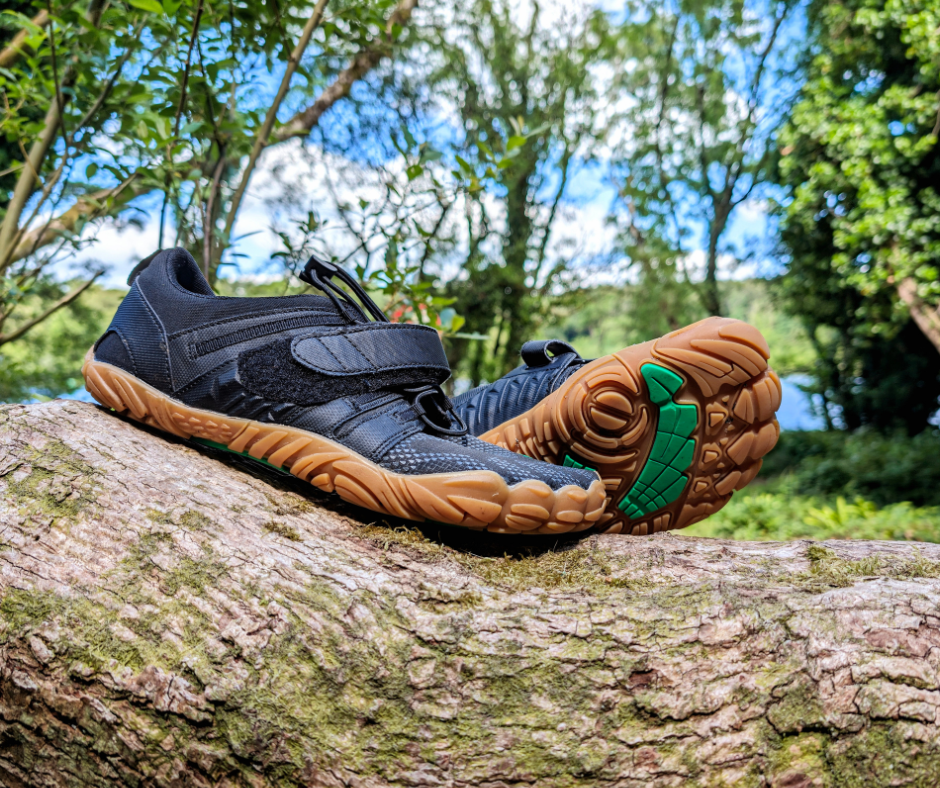
If you have scrolled through fitness social media lately, you have probably seen the viral push for Barefoot Shoes. Advocates claim that zero-drop, ultra-thin footwear is the secret to natural movement, stronger arches, and better balance. But at Clifton Foot and Ankle Center, we are seeing a different side of this trend: a massive influx of patients limping into our office with severe foot and ankle injuries.
While the concept of walking “naturally” sounds appealing, the reality of transitioning to minimalist footwear is often a painful shock to the system. Here is why the barefoot shoe trend might be maximizing your pain, and what you should do instead.
The Concrete Problem
Our ancestors may have walked barefoot, but they were navigating soft dirt, grass, and forgiving natural terrain.
- Today, if you spend five days a week commuting, working, and exercising, you are doing it on unforgiving surfaces like concrete, asphalt, and hardwood floors.
- The natural fat pads on the bottom of your feet were not designed to absorb the repetitive, high-impact shock of modern urban environments.
- Without the shock absorption of a traditional sneaker’s midsole, your bones and ligaments bear the brunt of every single step.
Additionally, walking outside with ultra-thin soles (or completely barefoot) exposes you to dangerous puncture wounds and bacterial infections.
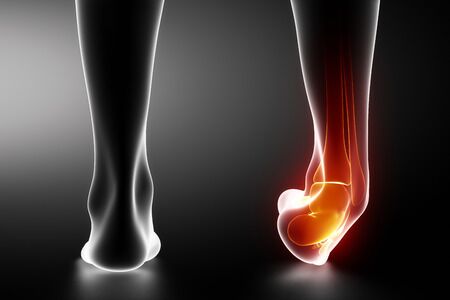
A Fast Track to Heel Pain
Most traditional sneakers have an elevated heel cushion (a “heel drop”) that reduces tension on the back of the leg.
- Barefoot shoes are “zero-drop,” meaning your heel and toes rest perfectly flat on the same level.
- If you switch to zero-drop shoes too quickly, your calf muscles and Achilles tendon are suddenly forced to stretch much further than they have in years.
- This sudden, aggressive mechanical strain is a leading cause of severe Heel Pain.
For many patients, this constant pulling overstretches the thick band of tissue on the bottom of the foot, triggering a painful bout of Plantar Fasciitis.
Biomechanics vs. Fads
The biggest flaw in the barefoot trend is the assumption that everyone has a “perfect” foot structure just waiting to be unlocked. Many people have genetic structural abnormalities like flat feet, overpronation, or rigid high arches.
- Minimalist footwear offers no biomechanical support for these issues. If your arches collapse when you walk, removing your supportive shoes will only accelerate joint wear and tear.
- Instead of forcing your feet into a trendy shoe, the most effective way to improve your alignment, strengthen your stride, and stop pain is through Custom Orthotic.
- A custom-molded insert provides exactly what a barefoot shoe lacks: targeted, medical-grade structural support designed specifically for your unique biomechanics.
Listen to Your Feet
If you have jumped on the minimalist footwear bandwagon and are now dealing with aching arches, sore heels, or tight calves, do not try to “tough it out.” Continuing to walk or run through the pain will only lead to chronic inflammation or stress fractures.
For more foot care facts and advice, consult Dr. Kenneth R. Wilhelm at Clifton Foot & Ankle Center in Fairfax County, Virginia, about any podiatric concerns you’re facing. Set up an appointment today to find relief.