
3 Shoe Lacing Techniques That Can Ease Your Foot Pain
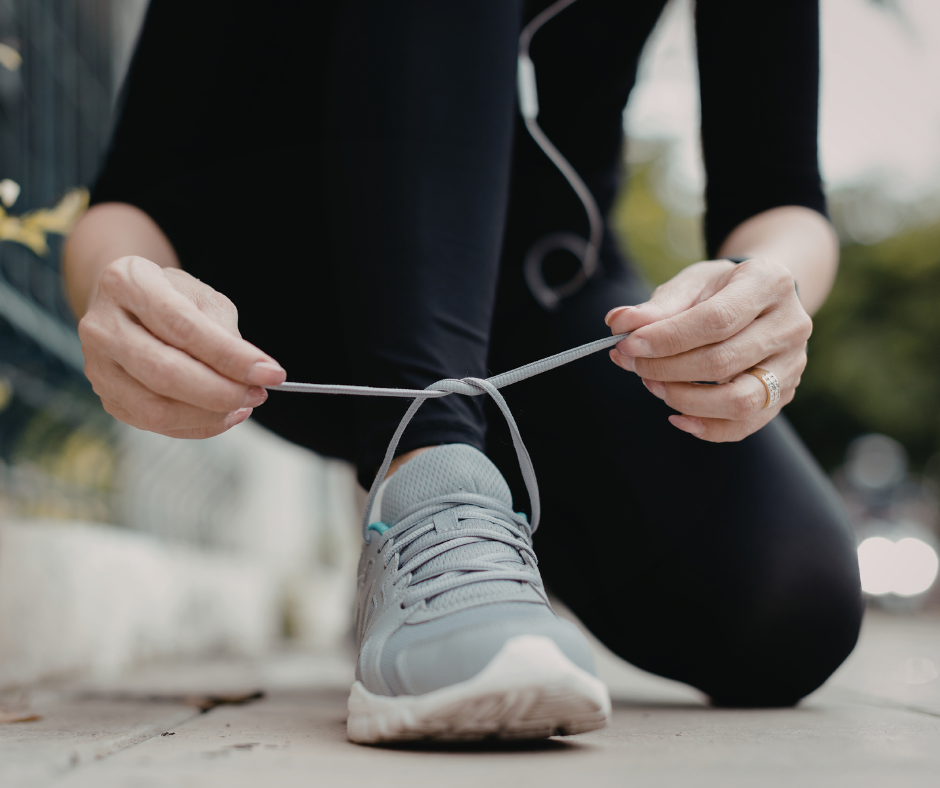
When we buy a new pair of shoes, we usually accept the factory lacing exactly as it comes out of the box. We might tighten or loosen the strings to get the shoe on, but the standard crisscross pattern is rarely questioned… until now, by us at Clifton Foot & Ankle Center. The way you lace your shoes is actually one of the easiest ways to customize your footwear and feel less pain without breaking the bank. Let’s see which lacing techniques are right for your feet.
Secure a Slipping Heel
One of the most frequent complaints for walkers and runners is heel slippage. When your heel slides up and down inside the shoe, it creates instability that can lead to ankle strains or Achilles tendonitis. To fix this, you can use a technique often called the runner’s loop or heel lock.
Instead of crossing the laces at the very top, you thread each lace through the final eyelet on the same side to create a small loop. Then, you cross the laces and pull them through the loops on the opposite sides.
This keeps your heel firmly seated in the back of the shoe, which provides a much more stable foundation for every step.
Relieve Pressure for High Arches
If you have high arches or pain on the top of the foot, standard lacing can feel like a vise. The crisscross pattern puts direct pressure on the highest point of the instep, which can compress nerves and lead to numbness or tingling in the toes.
To solve this, you can try window lacing or parallel lacing.
With this method, you identify the area where you feel the most pressure and simply stop crossing the laces in that section. Instead, you run the laces vertically through the eyelets on the same side, which will create a window of open space over the sensitive part of your foot.
Create More Room for Bunions
If you suffer from bunions or Morton’s neuroma, the width of the toe box is your primary concern. Even in wide-width shoes, the bottom-most laces can often pull the fabric too tight across the metatarsals and squeeze the toes together. To give your forefoot more room to splay naturally, you can utilize a specialized wide forefoot lacing pattern.
This technique involves starting the laces at the second or third set of eyelets from the bottom or lacing the first few rows in a parallel fashion along the sides rather than crossing them over the tongue. By leaving the bottom of the shoe more relaxed, you reduce the pressure on the big toe joint.
This helps prevent the burning sensation associated with neuromas and stops the shoe from rubbing against the sensitive skin of a bunion.
For more foot care facts and advice, consult Dr. Kenneth R. Wilhelm at Clifton Foot & Ankle Center in Fairfax County, Virginia, about any podiatric concerns you’re facing. Set up an appointment today to find relief!


