
Does Arthritis Actually Worsen During Winter?
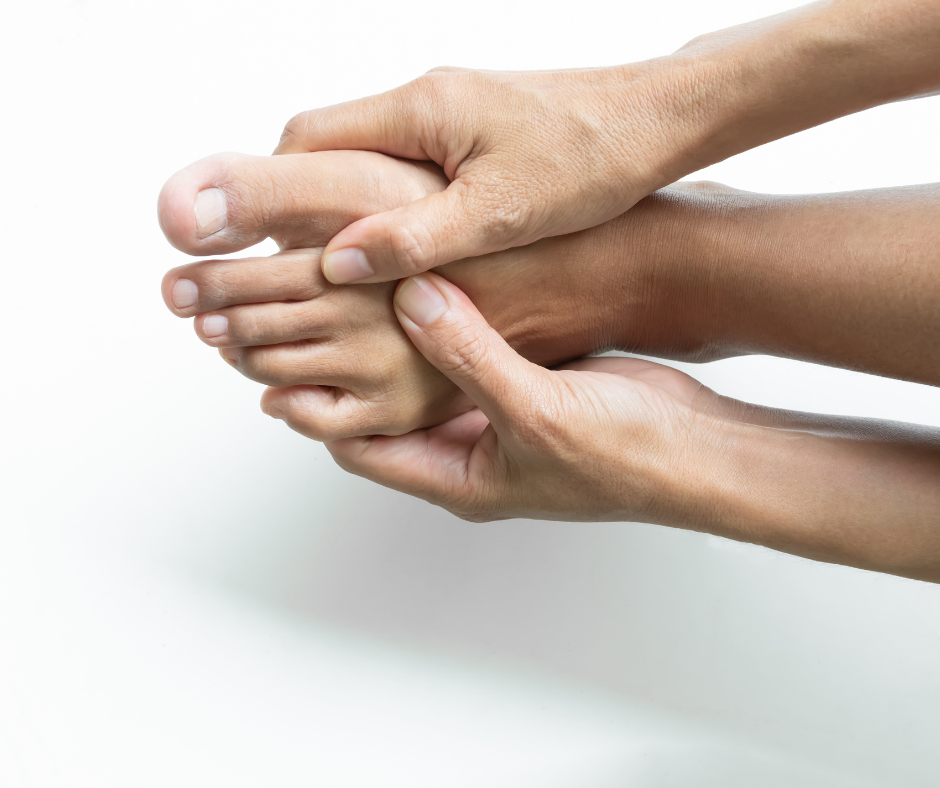
You know that feeling when the first real frost hits and your ankles start acting like they’re filled with gravel? We at Clifton Foot & Ankle Center are here to tell you it’s not just a complete myth. If you’ve got arthritis in your feet or ankles, winter can feel like a three-month-long battle with stubborn joints. We’ve all heard people say they can feel the rain coming in their bones, but how much of that is just a spooky old wives’ tale, and how much is actually happening under your skin? Let’s break down what’s actually fact and what’s total fiction when it comes to the winter arthritis blues.
Fact: Barometric Pressure
The biggest reason your ankles throb when a storm is rolling in isn’t actually the temperature, but the barometric pressure. When a winter front moves in, the air pressure drops.
When the atmospheric pressure drops, there’s less push against your body, which allows your tissues and the fluid inside your joints to expand slightly. In a healthy joint, you’d never feel it.
But in an arthritic ankle that’s already tight and inflamed? That microscopic expansion is like someone trying to overstuff a suitcase, and the pain sets in.
Fact: Synovial Fluid in Your Joints Thickens
Your joints are lubricated by synovial fluid. In the summer, it’s thin, slippery, and helps your bones glide.
In the winter, cold temperatures make this fluid more viscous. This is why you feel so much stiffer in the morning. Your joint grease is literally too thick to do its job until you move around enough to heat it back up.
Myth: The Cold is “Giving” You Arthritis
A common myth is that living in a cold climate or working in the snow actually causes arthritis. Fact check: Nope.
Arthritis is caused by wear and tear, genetics, or autoimmune issues. The cold doesn’t create the damage; it just pokes the bear. It makes the symptoms of the damage you already have significantly more obvious because your nerves are more sensitive in low temps.
Myth: You Should Hibernate to Save Your Joints
When it hurts to move, the instinct is to stay glued to the couch. But resting through the winter is a recipe for disaster. Motion is lotion.
If you stop moving, that thick synovial fluid stays thick, and your muscles weaken, which leaves your joints with even less support.
What to Do with Winter Arthritis
Don’t let the weather win. Use wool socks to keep your joints warm, keep your house at a steady temp, and most importantly, keep moving.
Even some light indoor walking or ankle circles while you watch TV can keep the rust from settling in.
For more foot care facts and advice, consult Dr. Kenneth R. Wilhelm at Clifton Foot & Ankle Center in Fairfax County, Virginia, about any podiatric concerns you’re facing. Set up an appointment today to find relief!


