
Morning, Noon, or Night? What the “Time of Day” Reveals About Your Heel Pain
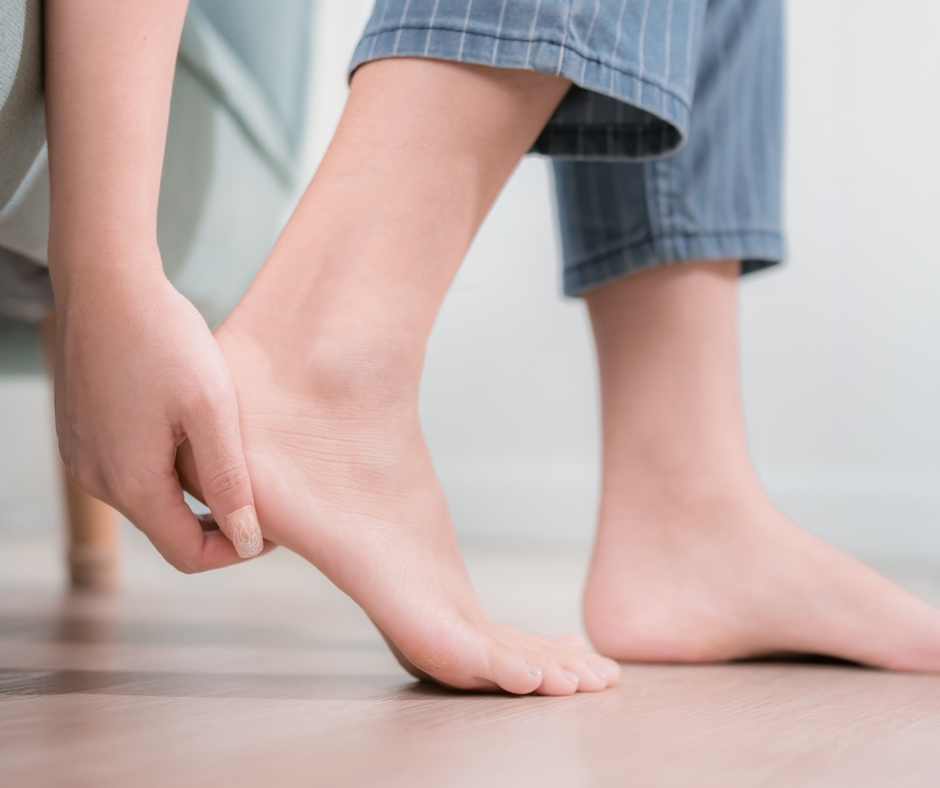
When heel pain strikes, it is easy to assume that you just walked too much or wore the wrong shoes. But if you have been dealing with a stubborn ache for weeks, you might have noticed a strange pattern: your heel doesn’t hurt all the time—instead, the pain spikes at very specific times of the day.
At Clifton Foot and Ankle Center, we frequently treat patients who are confused by their specific symptoms. To help you decode what your body is trying to tell you, here is a look at what the timing of your pain reveals about your foundation and how to fix it.
Quick Answer: Does the time of day I experience heel pain matter?
Yes! The timing of your pain is the biggest clue to its root cause.
- Sharp, stabbing pain during your very first steps out of bed in the morning is the hallmark sign of Plantar Fasciitis.
- Pain that gradually worsens as the day goes on and throbs at night is often linked to Fat Pad Atrophy or structural overload.
- Sharp pain at the back of the heel after sitting for a long period points to Achilles Tendonitis.
1. The Morning Hobble (Plantar Fasciitis)
If you dread putting your feet on the floor first thing in the morning because the pain is sharp and stabbing, you are experiencing the classic “morning hobble.”
This is almost always caused by Plantar Fasciitis: inflammation of the thick band of tissue running across the bottom of your foot.
When you sleep, this inflamed ligament contracts and tightens up. Your very first step forcefully stretches that tight, inflamed tissue, causing micro-tears and immediate agony.
As you walk around, the ligament warms up and stretches out, which is why the pain temporarily fades.
- The Fix: Before you even swing your legs out of bed, stretch your calves and feet! Use simple, at-home techniques to find relief and stay mobile, like morning towel stretches to prevent that initial tearing.
2. The End-of-Day Ache (Fat Pad Atrophy)
If you wake up feeling fine, but your heels are throbbing, burning, or aching deeply by 5:00 PM, you are likely dealing with structural exhaustion or tissue degradation.
One of the most missed diagnoses is Fat Pad Atrophy. As we age, the natural, built-in shock absorbers (fat pads) on the bottom of our heels begin to thin out.
By the end of a long day of walking on hard floors, you are essentially walking directly on your heel bone. This is just one of many hidden factors contributing to heel pain.
- The Fix: Generic drugstore insoles will quickly flatten out under your body weight. You need targeted, medical-grade cushioning (like prescription custom orthotics) to artificially replace that lost fat pad and absorb the impact of your daily routine.
3. The “Post-Desk” Pinch (Achilles Tendonitis)
You felt fine all morning, but after sitting at your office desk or driving in your car for an hour, standing up causes a sharp, tight pinch at the very back of your heel (where the shoe meets your ankle).
This points directly to Achilles Tendonitis. When you sit with your knees bent for long periods, your Achilles tendon rests in a shortened position.
When you stand up, it is suddenly pulled taut, causing friction and inflammation where the tendon attaches to the heel bone.
- The Fix: If you are treating this like standard arch pain, you are missing the mark. This is exactly why your heel pain isn’t going away. You need targeted calf-stretching protocols, supportive footwear with a slight heel lift, and advanced modalities like Shockwave Therapy to heal the tendon.
The Domino Effect of Ignoring the Clock
Many patients try to “tough it out” by slightly altering the way they walk to avoid stepping directly on their heel. Unfortunately, shifting your weight to the outside of your foot throws your entire kinetic chain out of alignment. Before long, you aren’t just dealing with a sore heel; you have developed severe knee, hip, and lower back pain.
Understanding how heel issues can impact overall foot health is crucial to preventing a minor, localized annoyance from becoming a systemic, chronic injury.
Stop Guessing and Start Healing
No matter what time of day your heel hurts, one rule always applies: don’t delay treatment for heel pain! The longer you walk on inflamed tissue, the more rigid and permanent the scar tissue becomes.
For more foot care facts and advice, consult Dr. Kenneth R. Wilhelm at Clifton Foot & Ankle Center in Fairfax County, Virginia, about any podiatric concerns you’re facing. Set up an appointment today to find relief.


