
Treadmill vs. Trail: How Treadmill Running Changes the Game for Your Feet
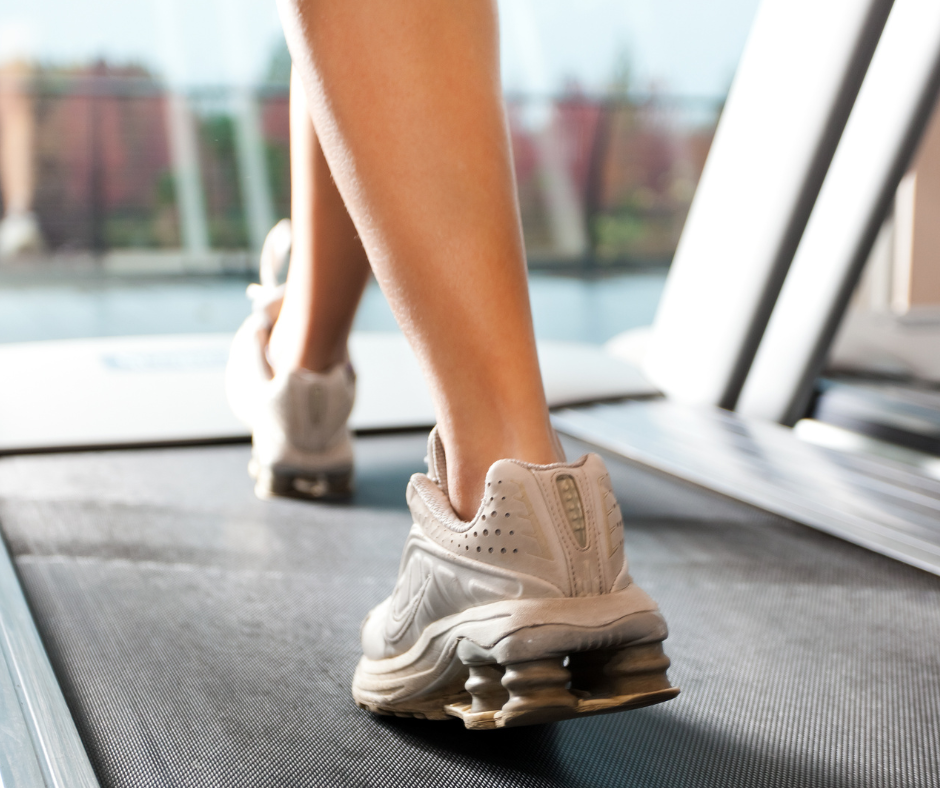
Running is running, no matter where you do it, right? Not quite! While logging miles on a treadmill burns the same calories as running outside, your feet and ankles have a fundamentally different experience that we at Clifton Foot & Ankle Center want you to know about. If you switch between the gym and the road, understanding these key differences can help you prevent injuries and train smarter.
Treadmill Cushioning and Shock Difference
The most obvious difference is the surface. Treadmills are designed with a built-in deck cushioning system, which acts like a massive shock absorber. This is a huge pro if you’re dealing with joint pain, recovering from an injury, or training for high mileage because it reduces the impact forces that travel up your legs.
When you run outside, especially on concrete or asphalt, the surface is unforgiving. Your body has to absorb much more of the shock, which is why poorly cushioned or worn-out running sneakers can quickly lead to stress fractures or tendonitis.
Verdict: The cushion you get from treadmill running is an overall pro.
Foot Biomechanics and the Treadmill Belt
When you run on a treadmill, the moving belt actually assists with pulling your foot backward. This subtle assistance means that your hamstring and calf muscles don’t have to work quite as hard to propel you forward compared to running outside on a fixed, unmoving surface.
This can slightly alter your gait and sometimes encourage you to overstride. So when you transition back outside when the weather gets warmer, your body might not be conditioned for the extra push-off strength that outdoor running demands.
Stability and Overuse Risk
While the smoothness of a treadmill is comfortable, it comes at a cost: predictability. The surface is perfectly flat and consistent, which means your smaller stabilizing muscles don’t get challenged. Running outdoors where pavement cracks, roots, and slight slopes force constant micro-adjustments builds stronger ankles and improves your balance.
Using the treadmill exclusively can leave those stabilizers weak, which increases your risk of an ankle sprain the next time you hit a bump on the trail.
Plus, the treadmill’s fixed path can lead to repetitive stress injuries like plantar fasciitis because your foot strikes the exact same spot, the exact same way, thousands of times.
The Bottom Line: Training on Treadmills for Foot Health
Neither surface is inherently bad, but you should use them strategically. Use the treadmill for controlled runs, specific speed work, or when you need less impact for recovery.
Use the outdoors for functional strength, better balance training, and conditioning your feet for real-world instability.
By recognizing the unique demands of each surface, you can train smarter and keep your feet healthy for the long run.
For more foot care facts and advice, consult Dr. Kenneth R. Wilhelm at Clifton Foot & Ankle Center in Fairfax County, Virginia, about any podiatric concerns you’re facing. Set up an appointment today to find relief!


