
What Could Those Red Dots on Your Feet Be?
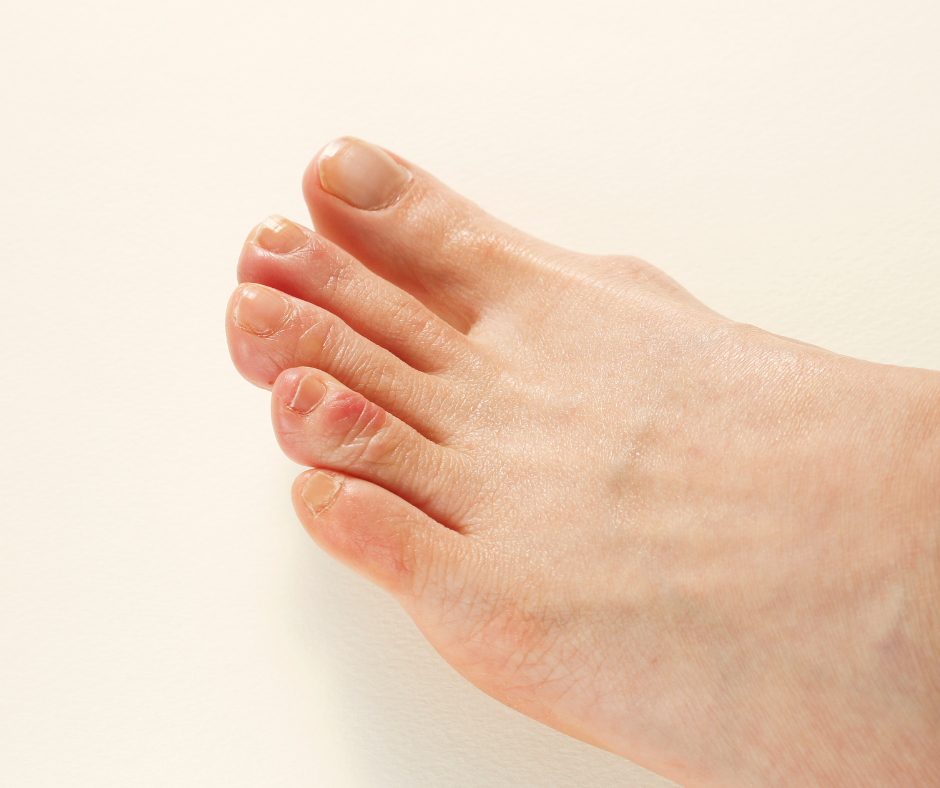
You step out of the shower, glance down to dry off, and pause. Suddenly, your feet look like a connect-the-dots puzzle. Before falling down a scary internet rabbit hole, take a breath. We at Clifton Foot & Ankle Center are here to help you solve it. Here is a lineup of the usual causes of red dots on your feet, including a few winter-specific offenders.
Chilblains
Since the temperature has dropped, this is the most likely culprit for painful red or purple bumps. Chilblains happen when cold toes are warmed up too quickly, like jumping from a snowbank into a hot shower.
The small blood vessels can’t handle the sudden rush of blood and leak into the tissue. This results in tender, itchy red swellings, usually on the tops of the toes or the side of the foot. Unlike a rash, these feel more like deep, burning bruises.
Petechiae: The Pressure Dots
These are tiny, pinpoint red or purple dots that are perfectly flat against the skin. Unlike a rash, they don’t itch, and if you press on them with a glass, they don’t fade or turn white.
This can happen from something as simple as wearing socks that are way too tight, vigorous scratching, or a heavy workout. While usually harmless trauma, if they appear suddenly in large numbers without a cause, it can signal a platelet issue, so keep an eye on them.
An Immune Signal
If the dots look like small, salmon-pink water droplets scattered across the feet or ankles, it might be Psoriasis. This form of psoriasis is distinct from the big, scaly plaques people usually imagine.
Interestingly, this type often appears suddenly after a bacterial infection, like strep throat (which is common in winter). It is an immune system overreaction. These spots can be scaly, itchy, and appear almost overnight.
Contact Dermatitis
If the dots are itchy, raised, and look a bit like a rash, the skin is likely throwing a tantrum over something it touched. This is Contact Dermatitis. Maybe it’s a new laundry detergent used on thick wool socks, or the dyes in a new pair of winter boots.
The skin reacts to the irritant by becoming inflamed and bumpy. If the pattern matches the cuff of a sock, this is a key indicator.
Athlete’s Foot
Most people think Athlete’s Foot just looks like peeling, white skin between the toes. But there is a specific type that starts as small, red, blister-like dots, usually on the instep or the bottom of the foot.
While most red dots are harmless reactions, pay attention to how they change. If the spots are spreading rapidly, feel hot to the touch, or are accompanied by a fever, it is time to skip the guessing game and see a podiatrist.
For more foot care facts and advice, consult Dr. Kenneth R. Wilhelm at Clifton Foot & Ankle Center in Fairfax County, Virginia, about any podiatric concerns you’re facing. Set up an appointment today to find relief!


